19.04.26 – 18.10.26
Spore Initiative
Hermannstraße 86,
12051 Berlin-Neukölln
Throughout the 2026 growing season, Spore’s garden will become a laboratory space for exploring regenerative, care-informed growing practices and grief-informed work. Artist, researcher, and educator Michelle Teran will develop a series of “soft scores” with participants. Each soft score links regenerative practices with meditations on loss. By combining these approaches, the series asks: How do we mourn while building futures?
Tentative session schedule:
- 19. April – 1st session
- 21. June – 2nd session
- 13. September – 3rd session
- 18. October – Final session
These gatherings are for people interested in or practicing regenerative growing and are designed to provide a supportive, collective space for those experiencing grief over ecological or climate collapse.
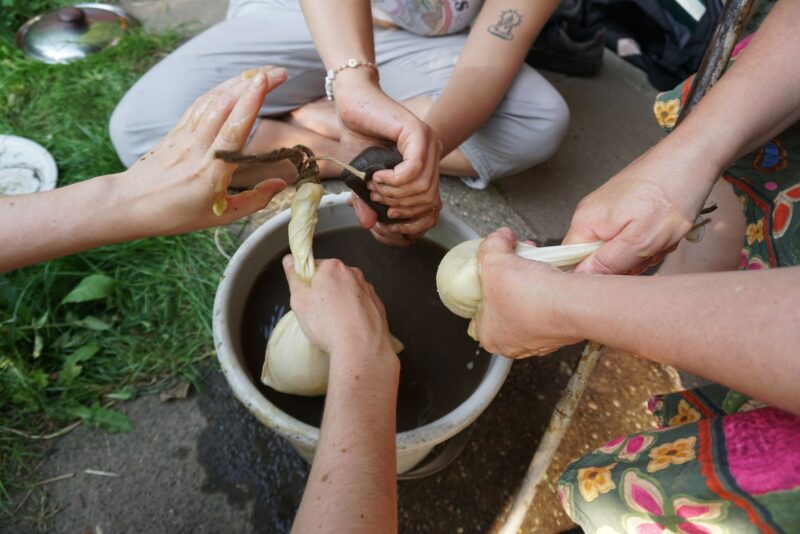
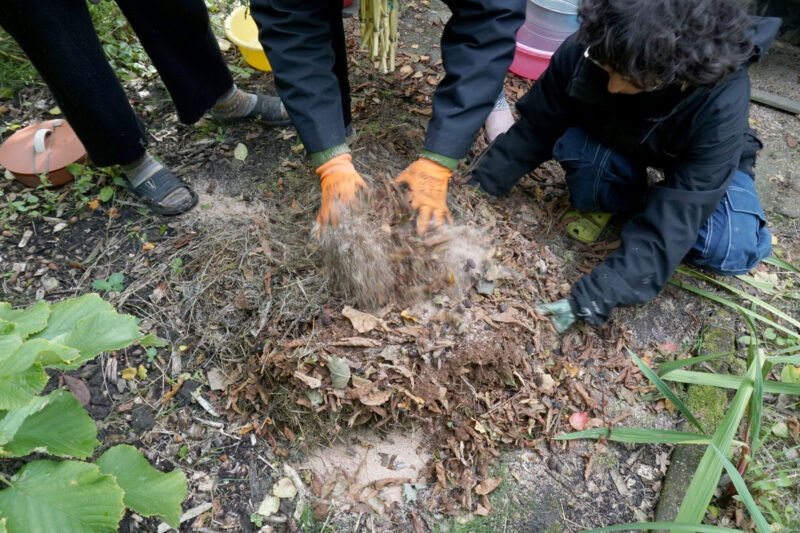
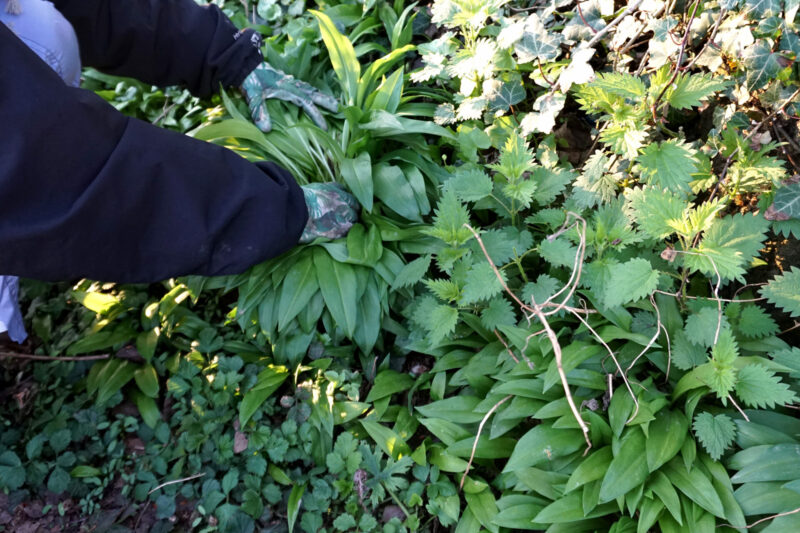
Each meeting is structured around a practical technique and introduces participants to fermentation and composting methods used in natural farming. Working with locally available ingredients—plants harvested at different stages of their growth cycles, organic matter, rainwater, soil, and indigenous microorganisms—participants will collectively produce soil amendments that enhance microbial activity and support healthy plant growth. At the same time, these shared practices create space to name ecological grief and attend to the emotions that arise through close engagement with damaged and changing environments. The sessions will focus on addressing ecological concerns such as environmental tipping points, ecocide, soil contamination, desertification, environmental warfare, fossil fuel emissions, and warming oceans, as well as any related issues that may arise. Participants should be committed to attending all four sessions.
This series will be interesting for those engaged in natural farming, cultural and pedagogical work around nature, urban gardening projects and community support work.
Activities are planned outdoors and the precise dates and times will depend on the weather conditions.
English will be the main language of instruction, community facilitated translation into German is possible.